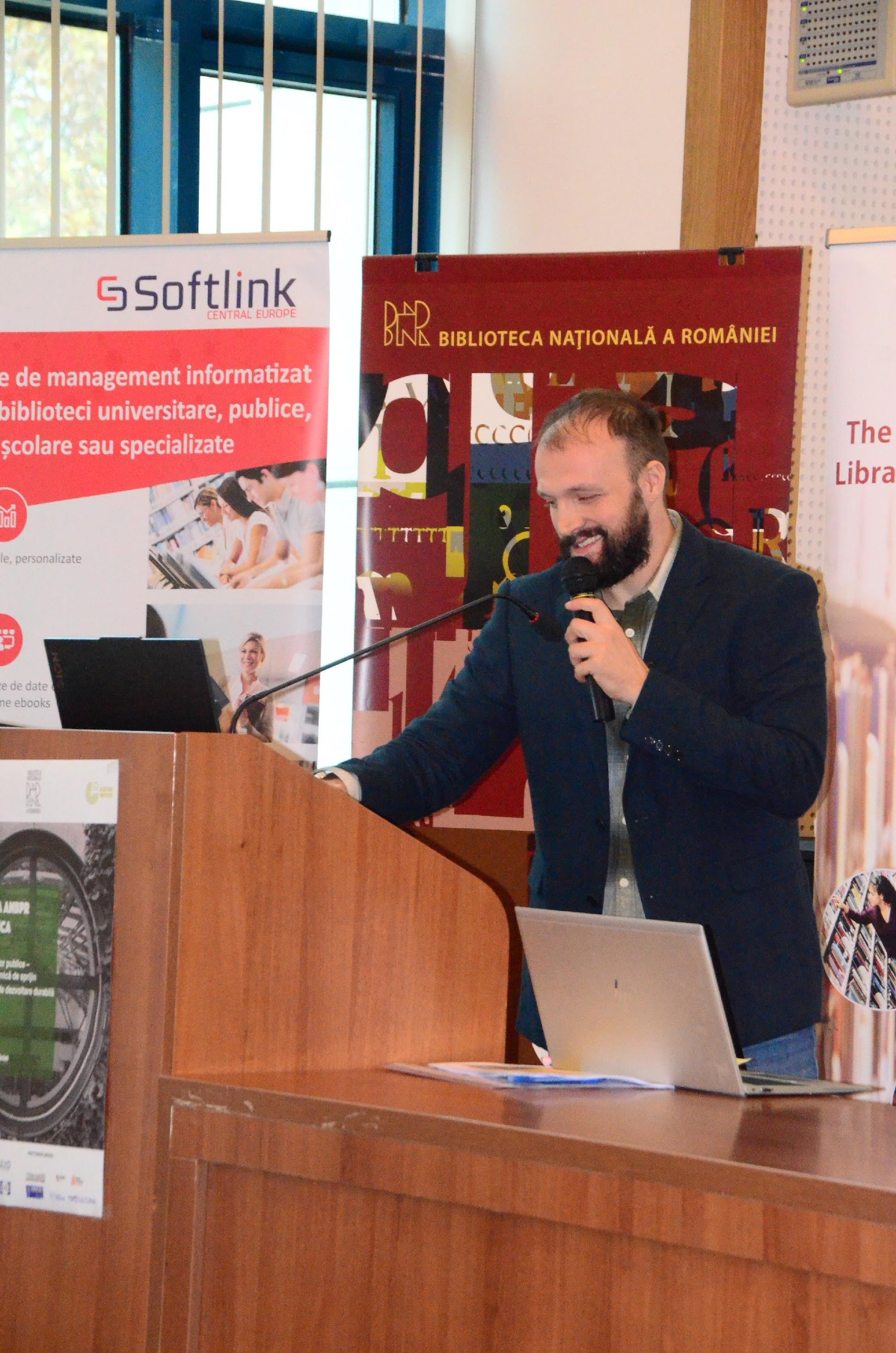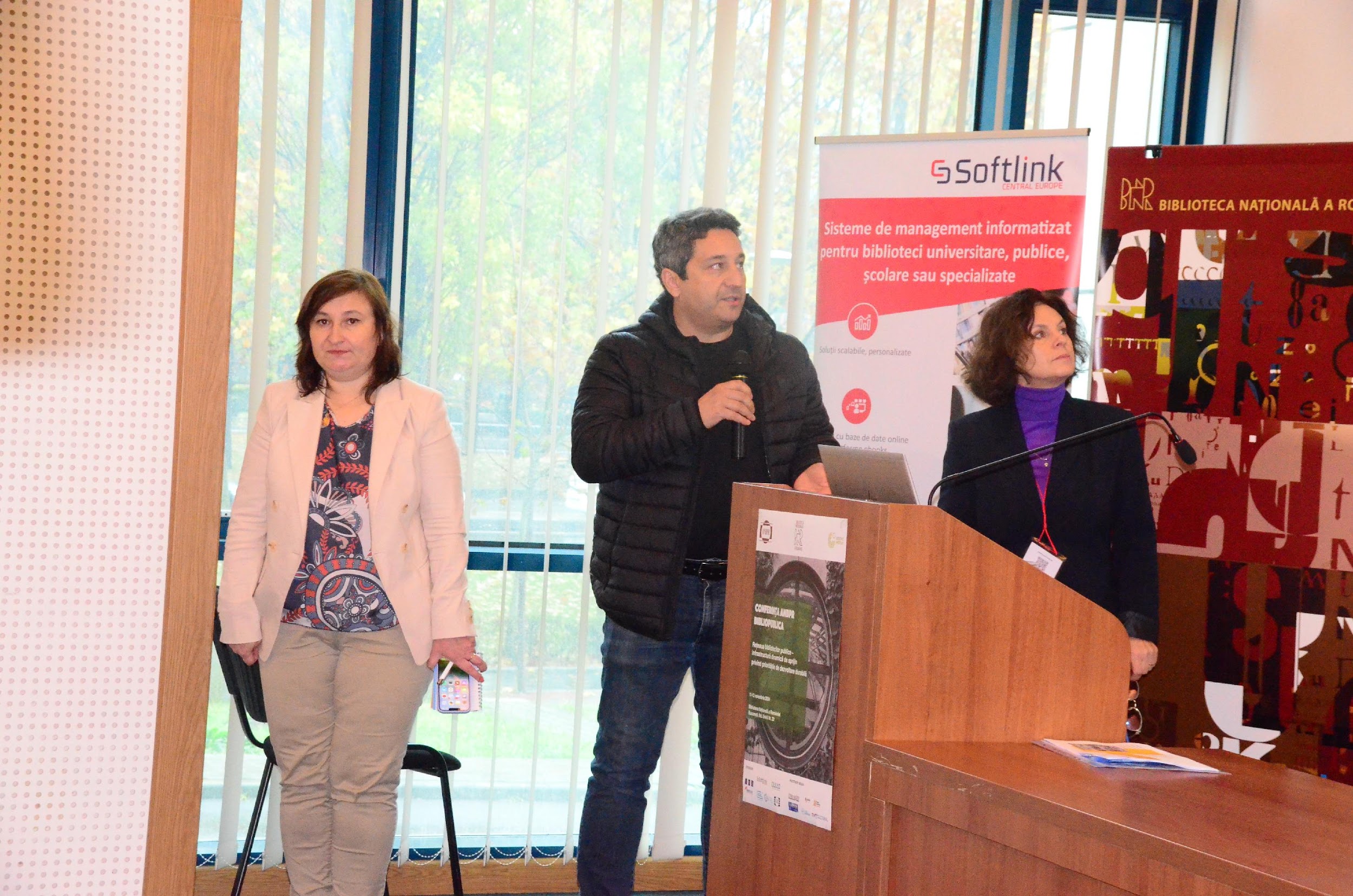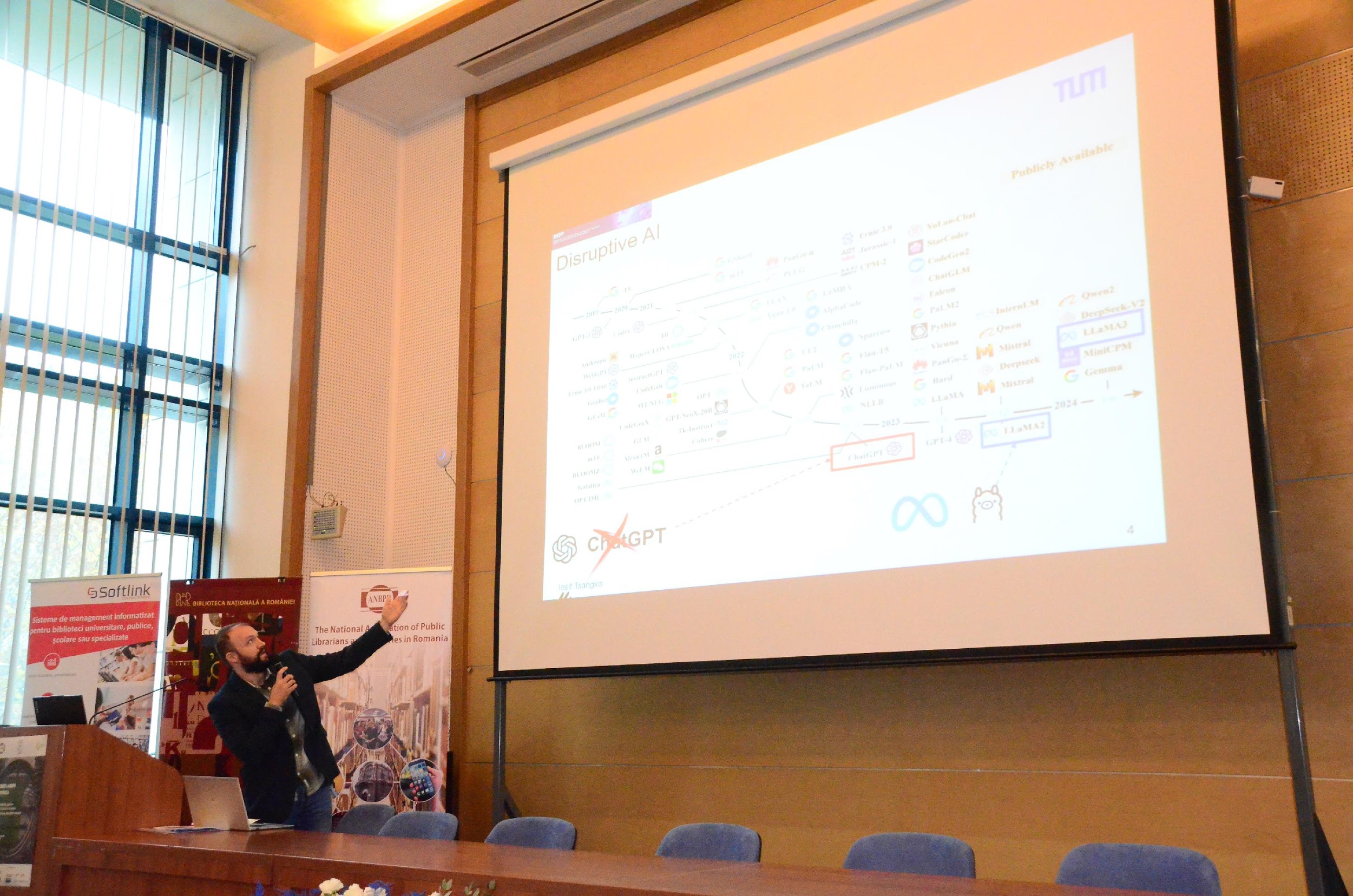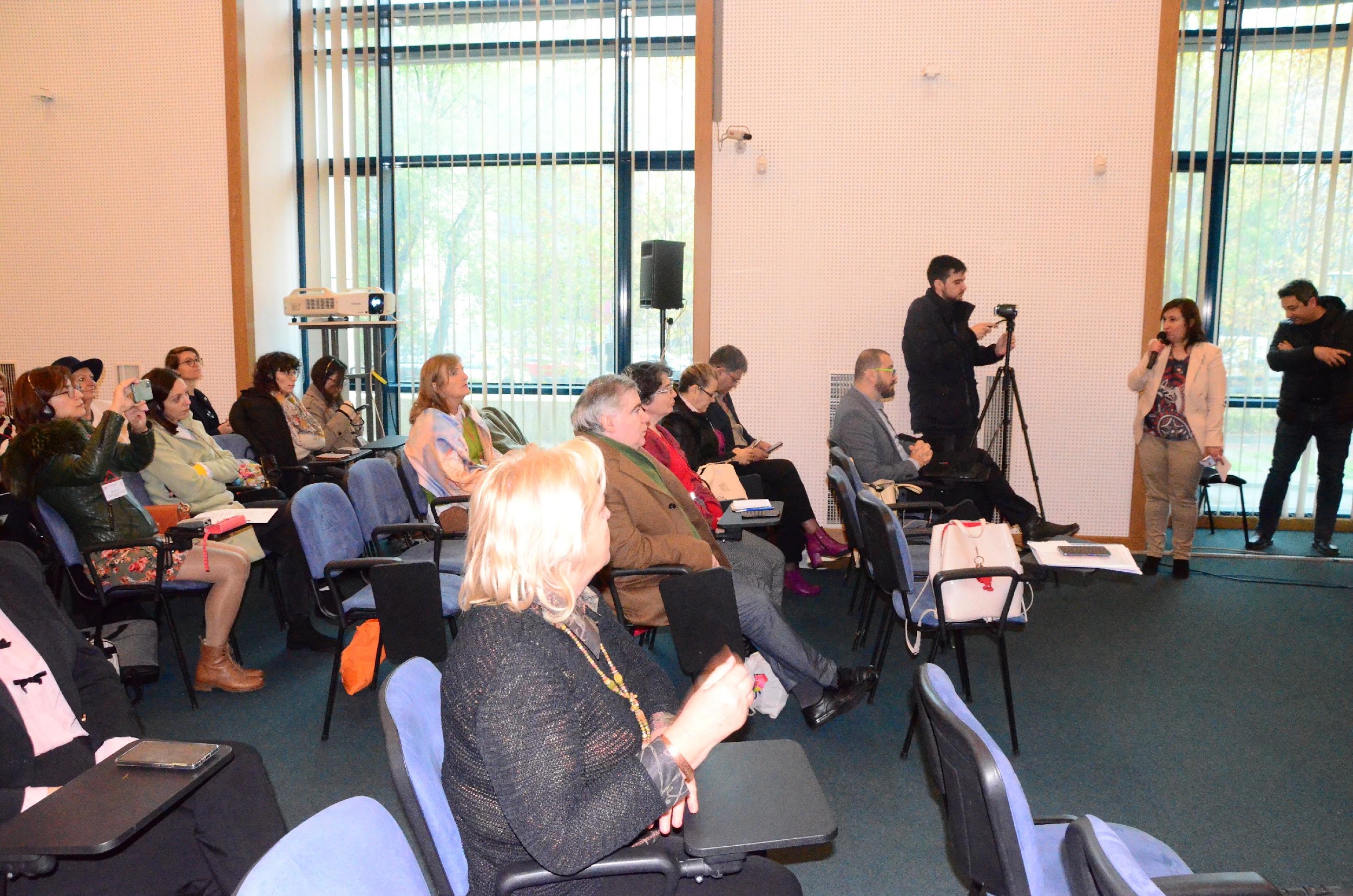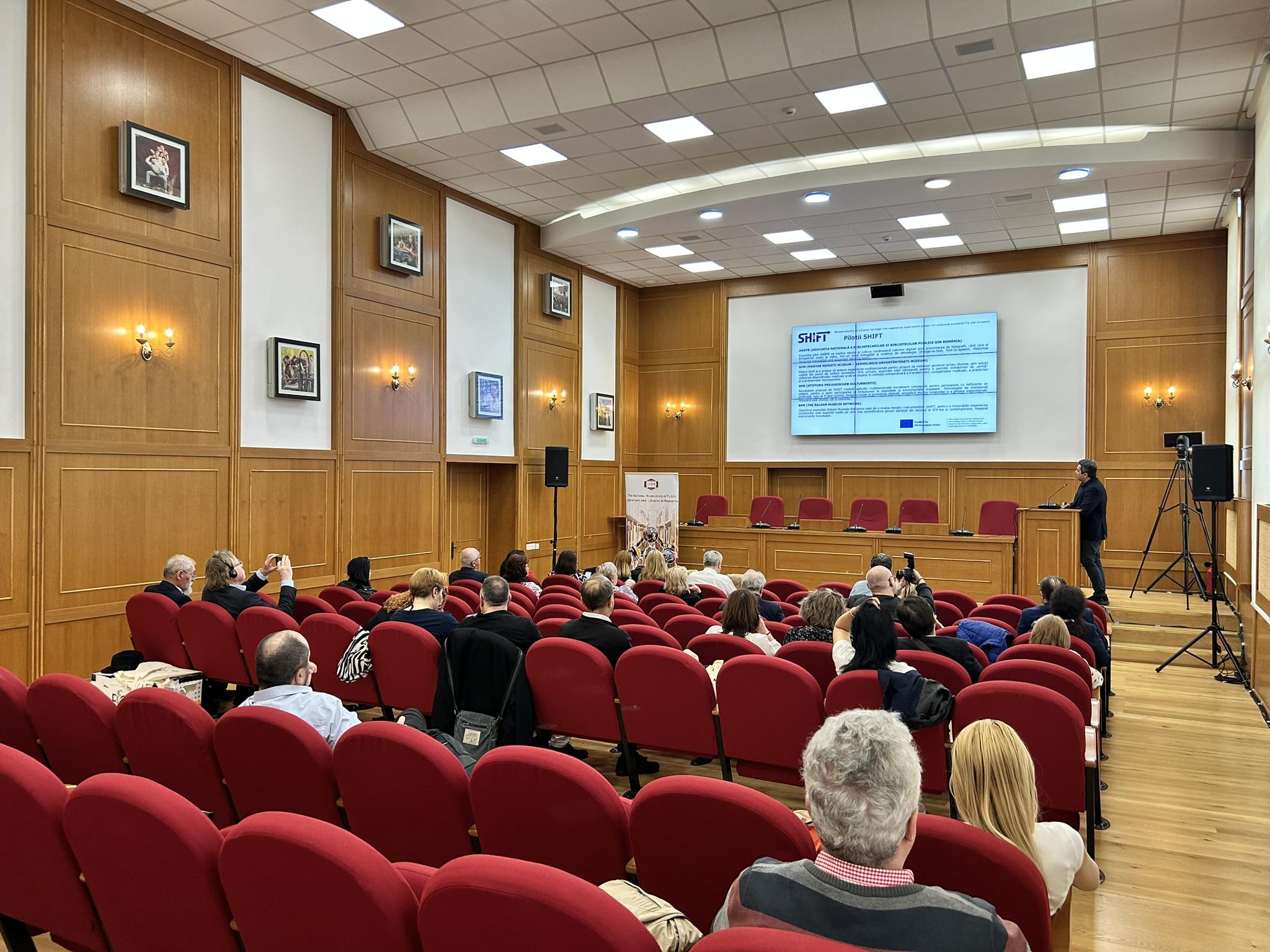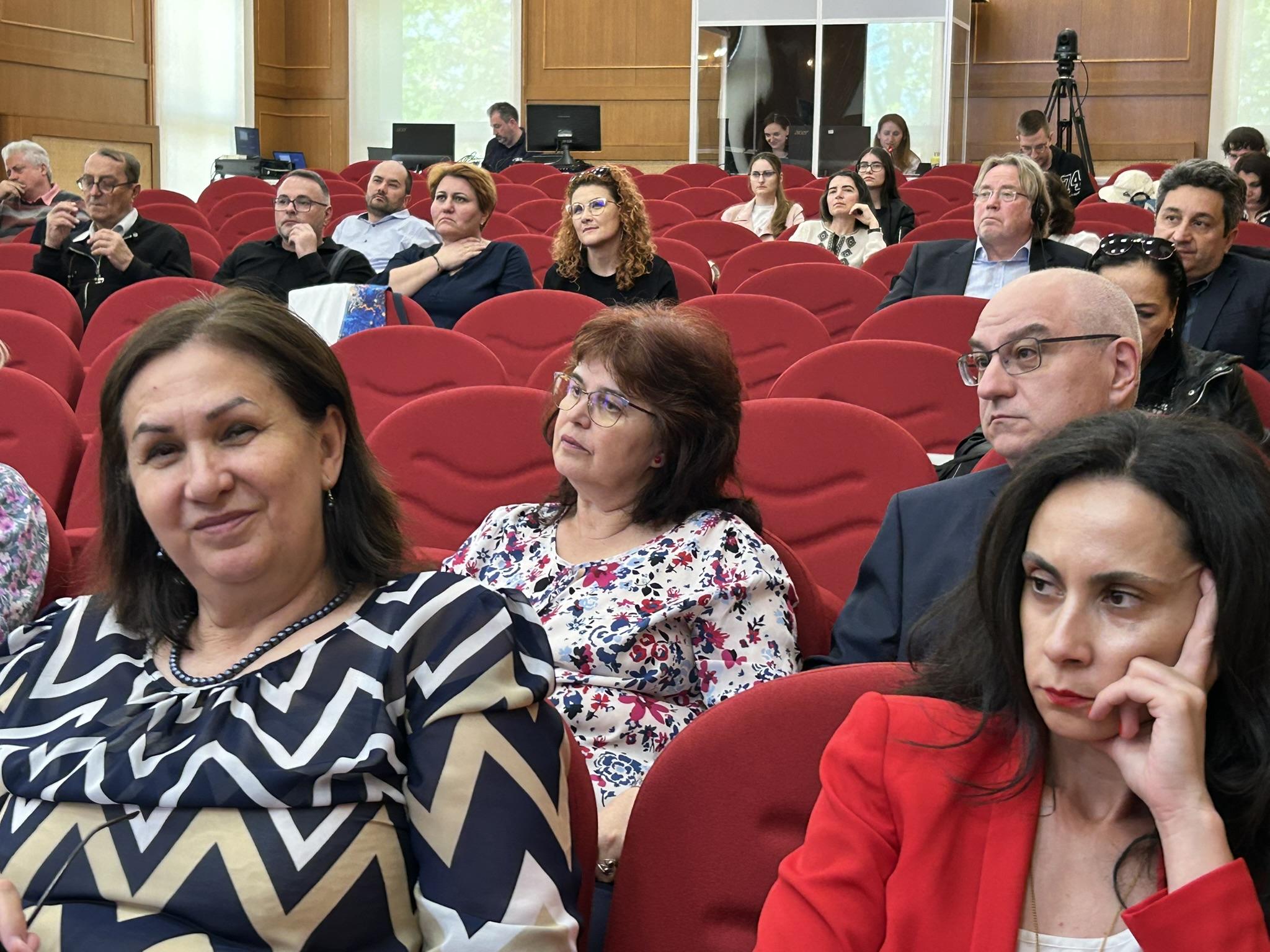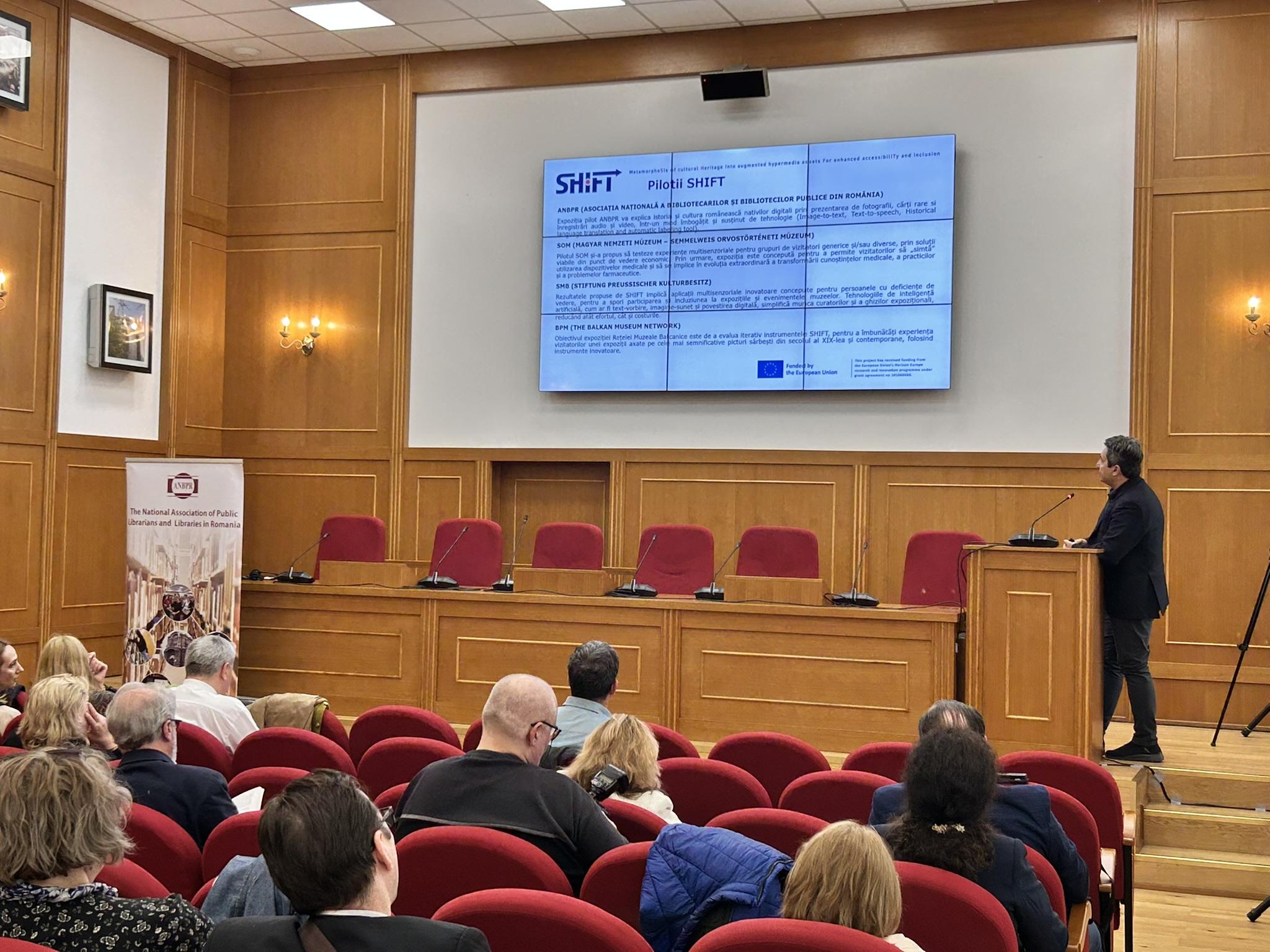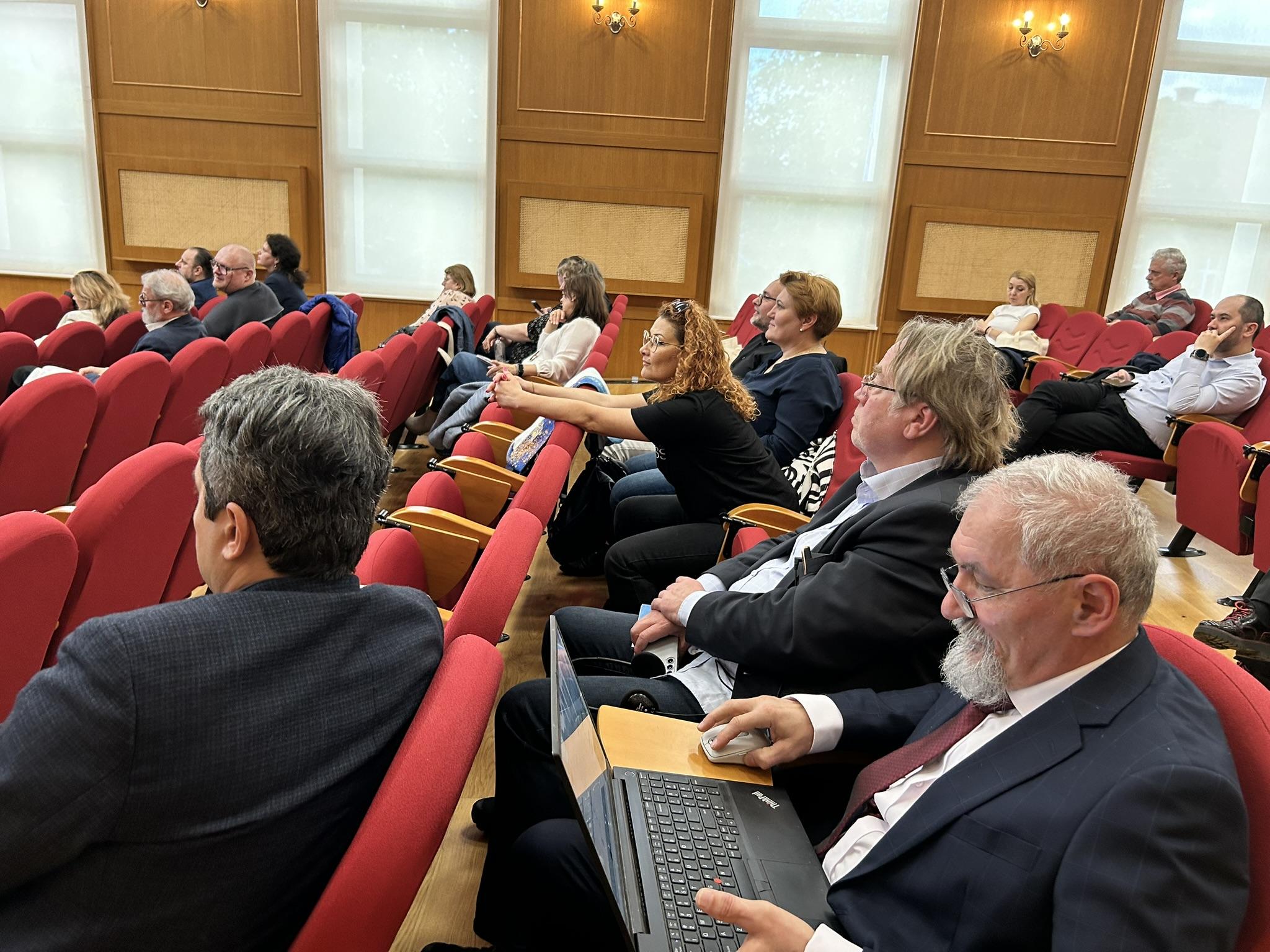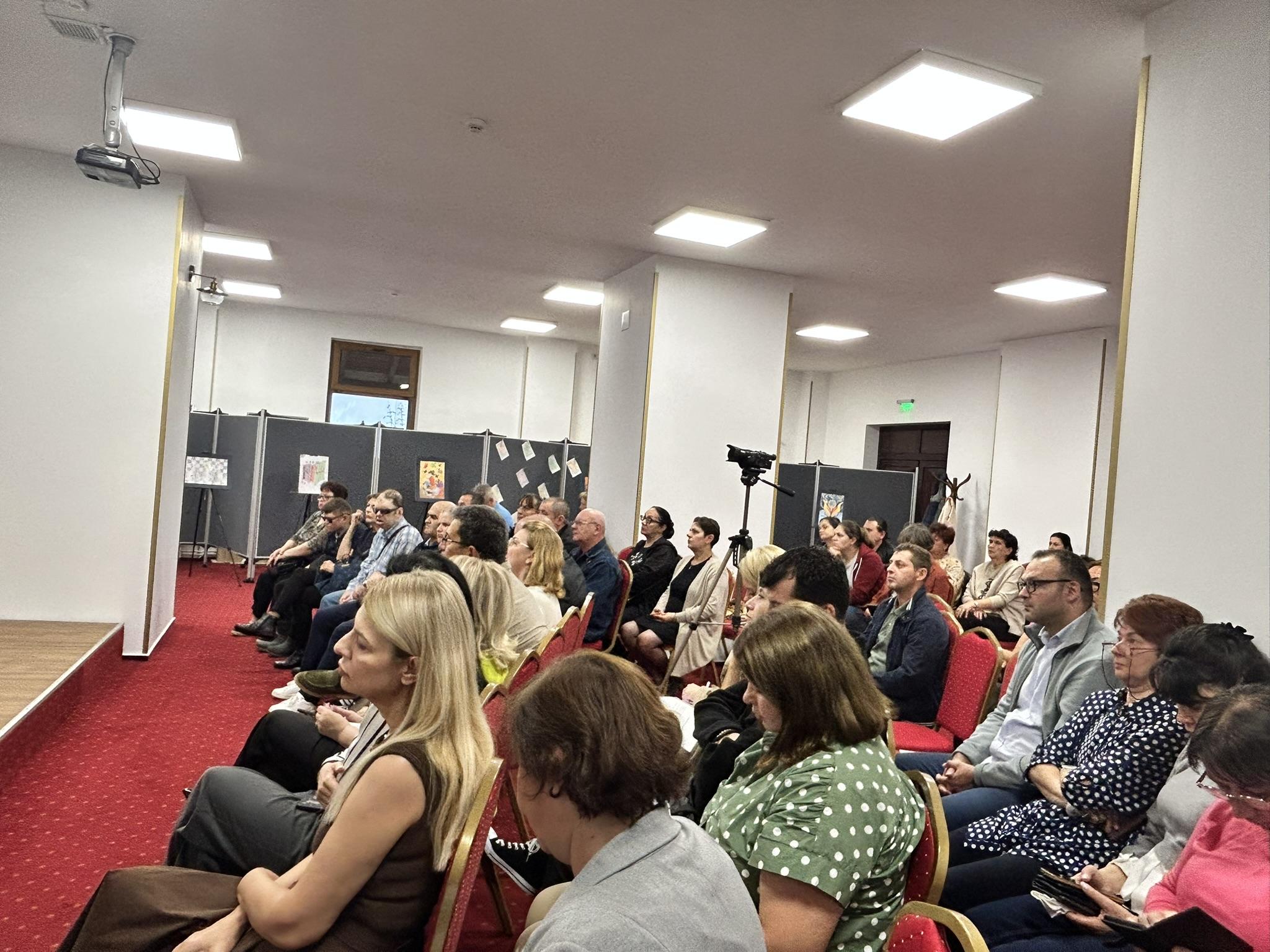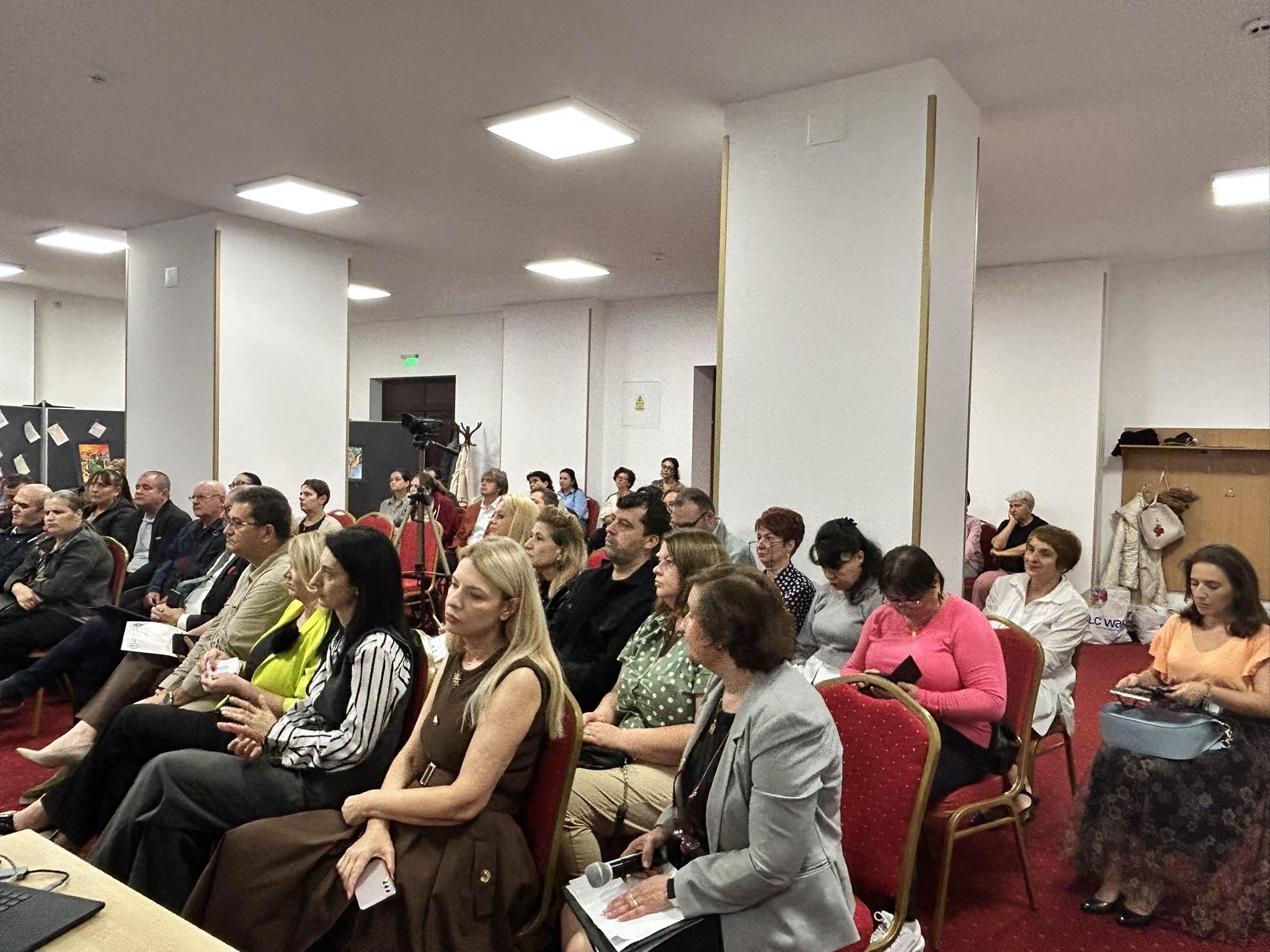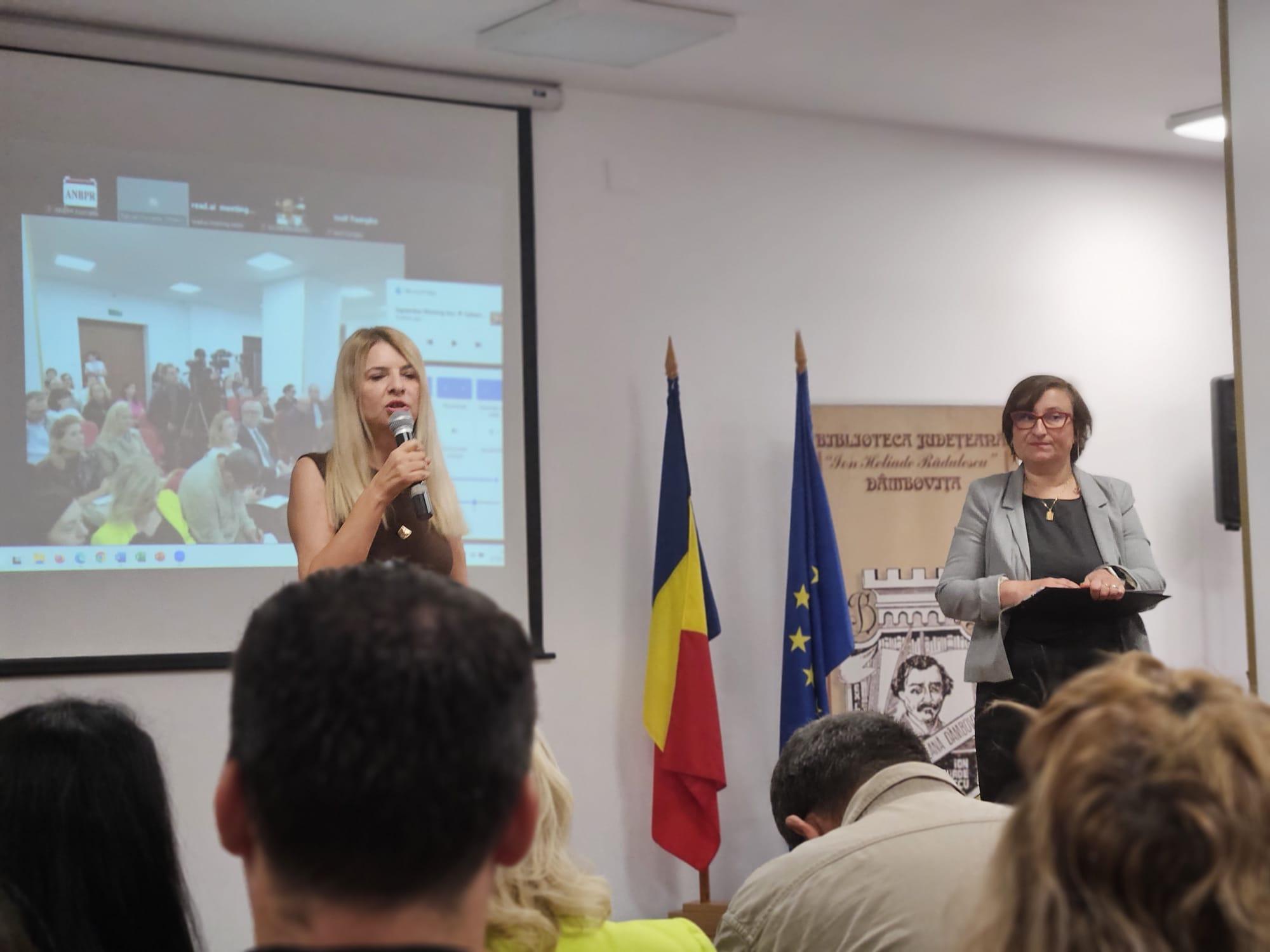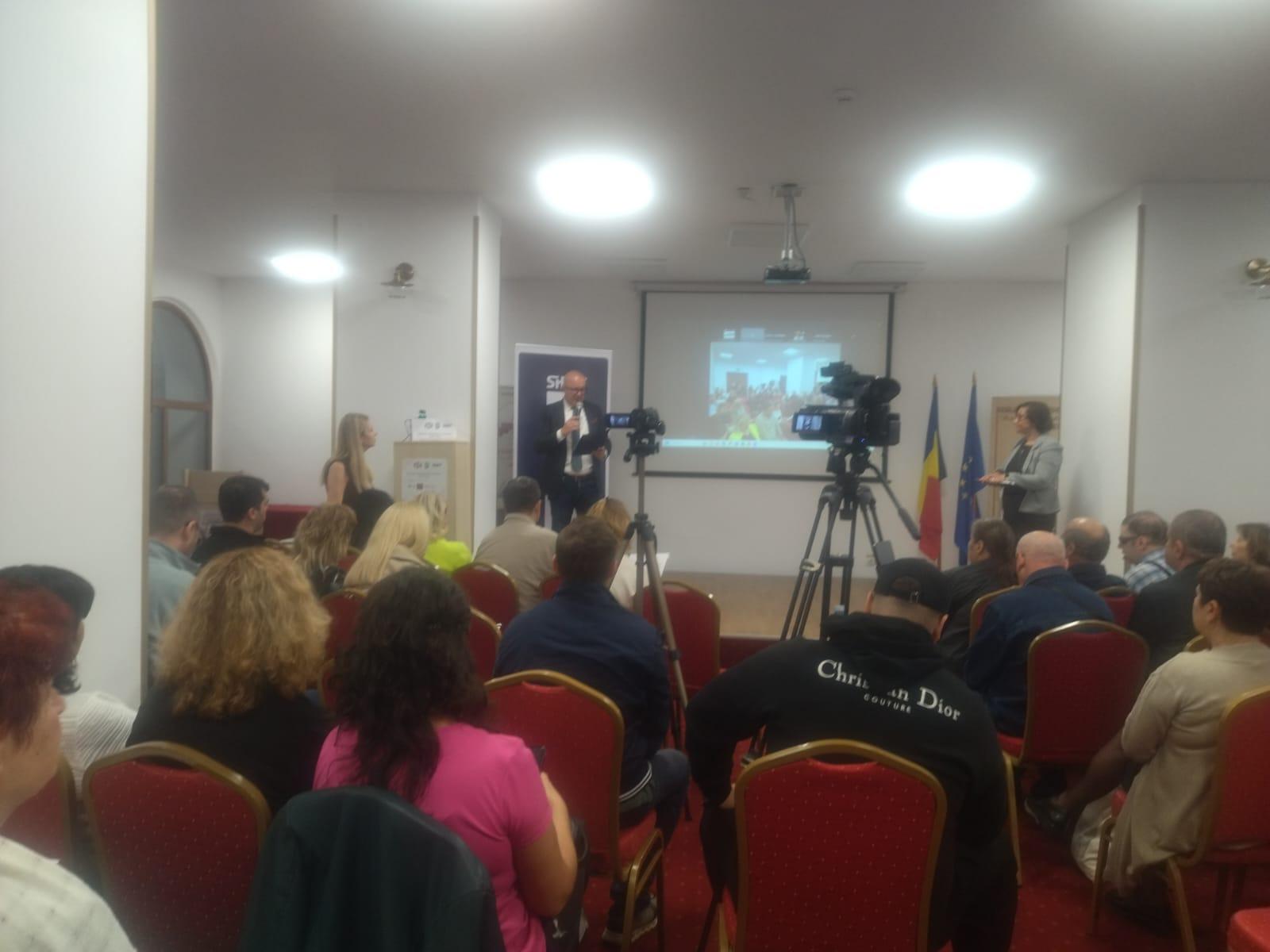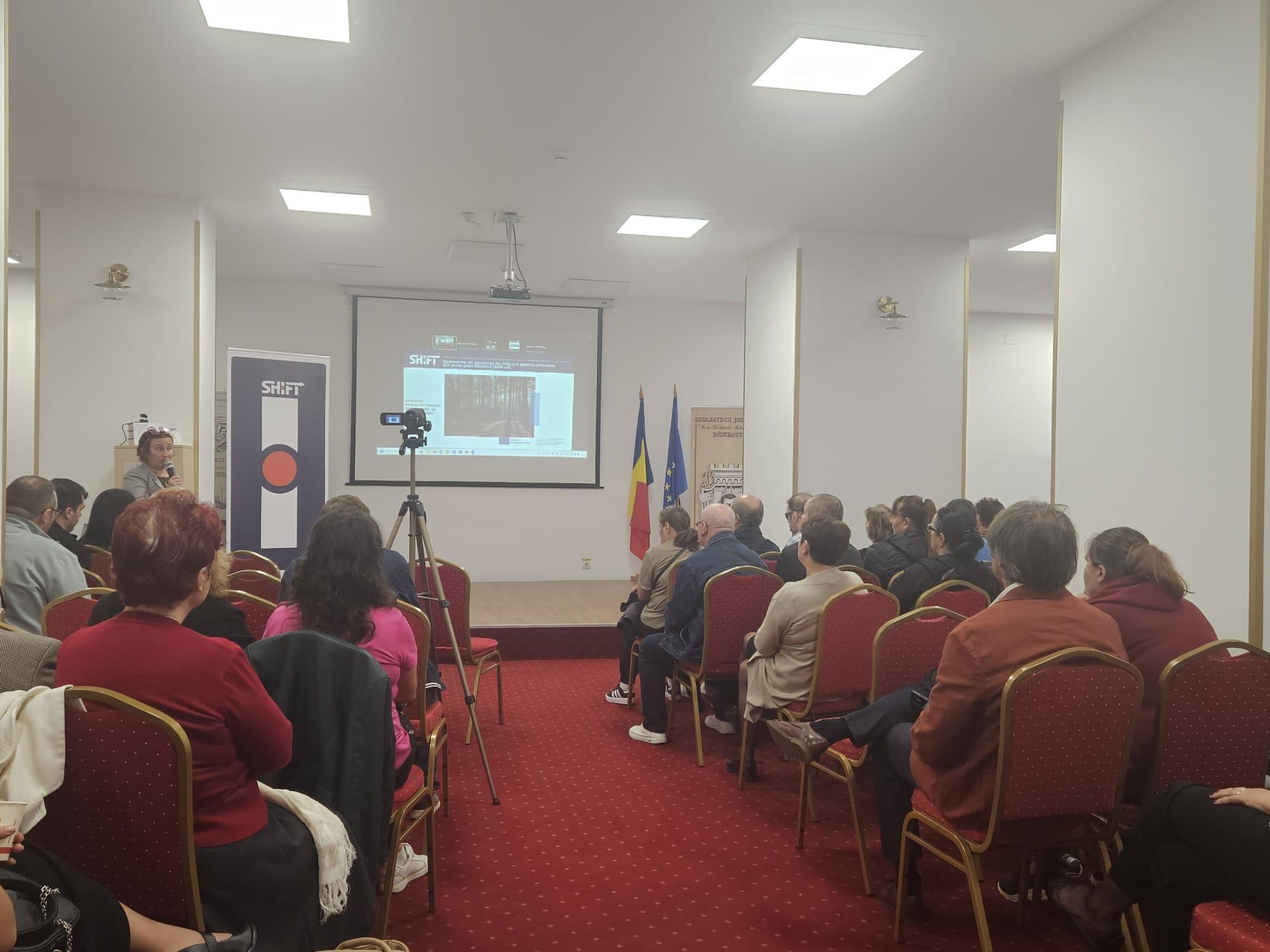
Technological demonstrations & exhibition
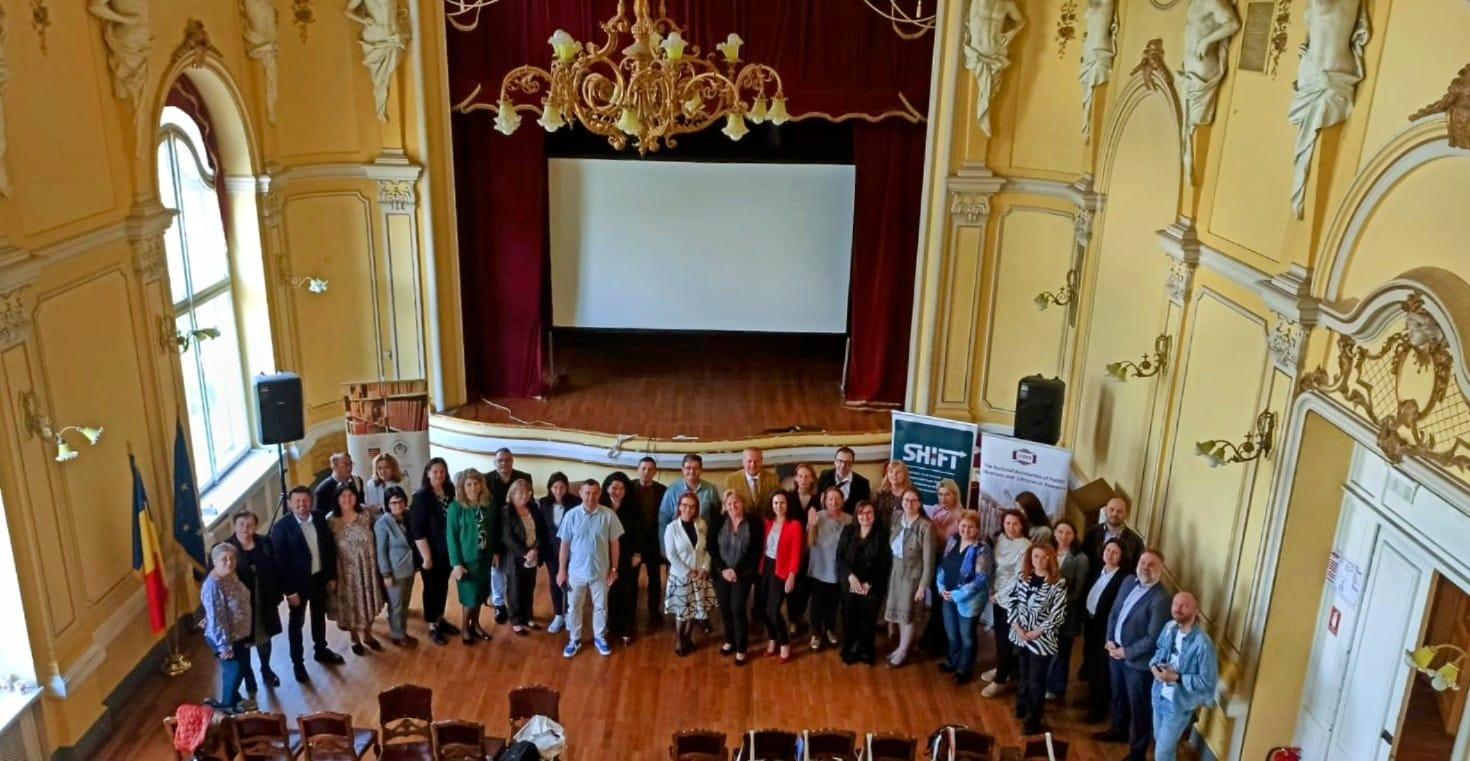
National Library of Romania, November 12, 2024
SHIFT Pre-Pilot Romania – Romanian History and Customs Explained to Digital Natives, a SHIFT Pre-Pilot in Romania, showed that cultural heritage could transform into engaging, easily accessed opportunities for digital-native people through innovative technologies.
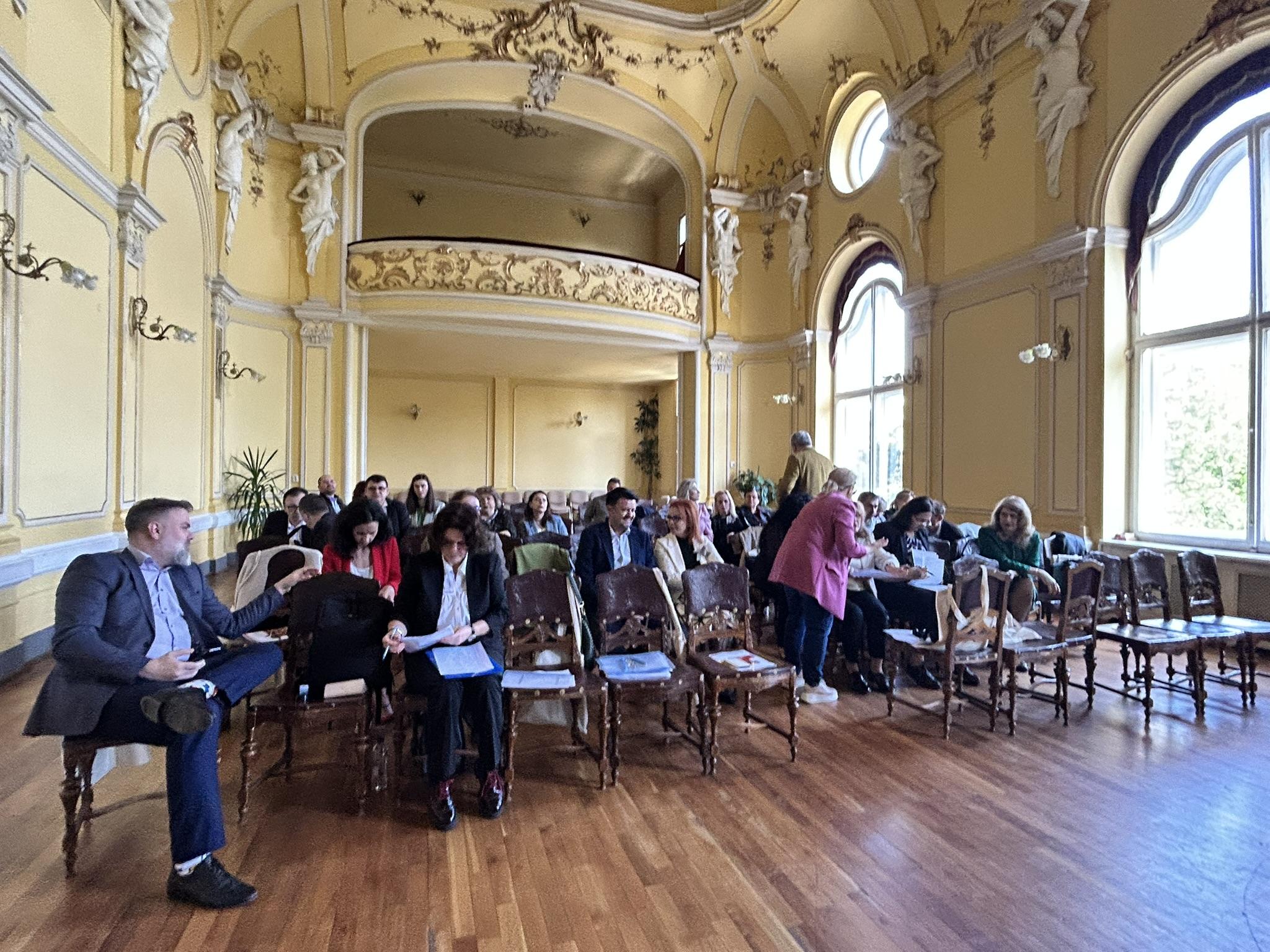
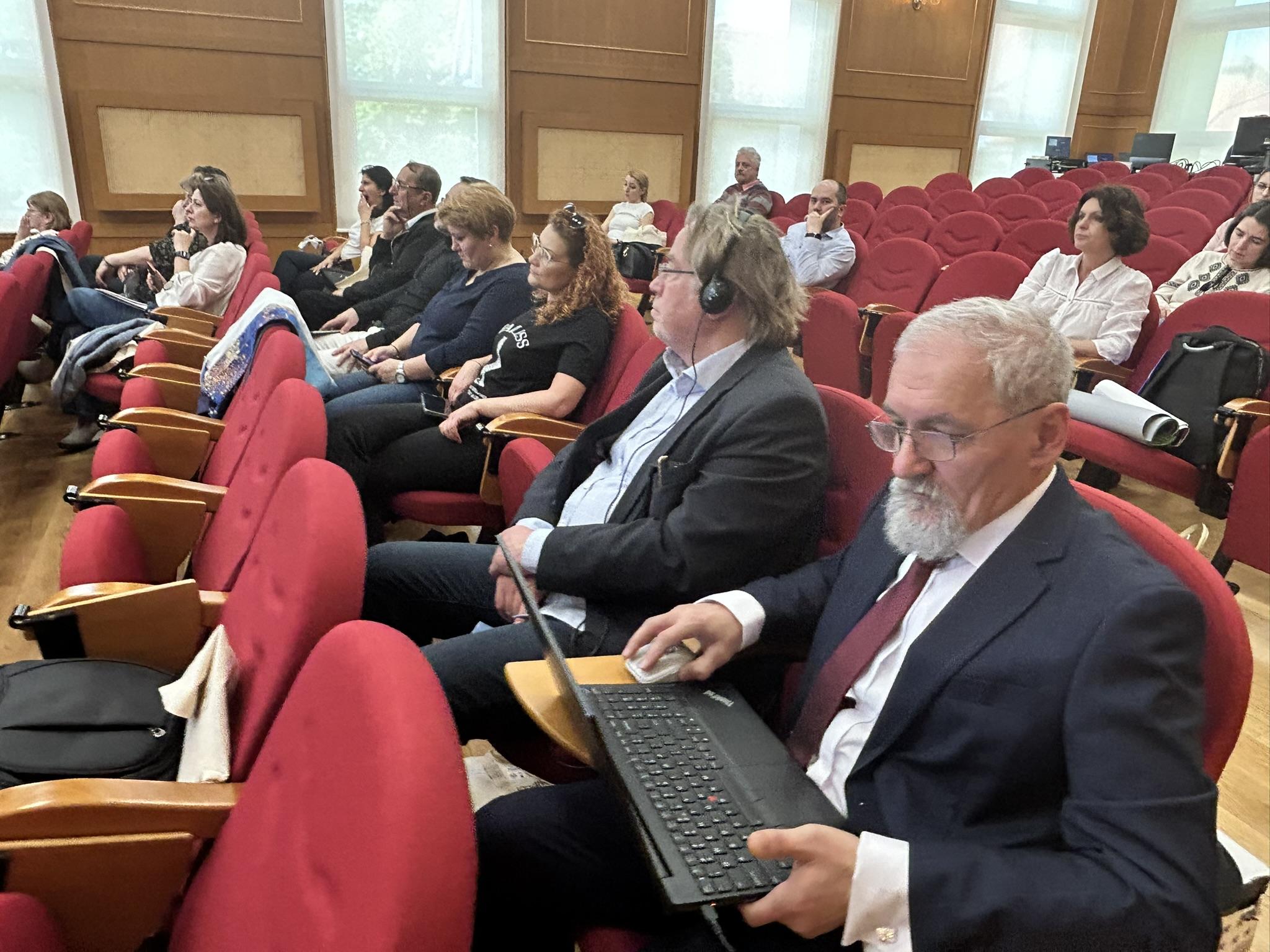
Based on the experience the event organized by ANBPR at the National Library of Romania focused on 60 participants including librarians, international experts and technology partners of various sectors and librarians in a capacity to take into account and propose new ways of the presentation of Romanian history and traditions using AI in an emerging technological way.
The exhibition included hands-on demonstrations on the most basic SHIFT solutions like image-to-video, text-to-speech, modern translation of historical texts and immersive audio storytelling, which were all designed for use by young people and visually impaired and with reading problems.
Participants made meaningful use of the technologies to report their effectiveness and were very positive in sharing their feedback and highlighting their positive educational value and utility for engagement. The pre-pilot was successful in demonstrating that SHIFT can be leveraged for libraries to provide culturally representative and inclusive content.
Participants and profile
The event brought together 60 participants, including county librarians, public librarians, international experts from Serbia and Bulgaria and representatives of SMEs in terms of library technologies. From this cross section of people in this research we can clearly discern when the SHIFT solution is most applicable. Users would bring so many different backgrounds – very technical training level to experience with the tools around cultural accessibility (cultural library access).
Implementation of activities
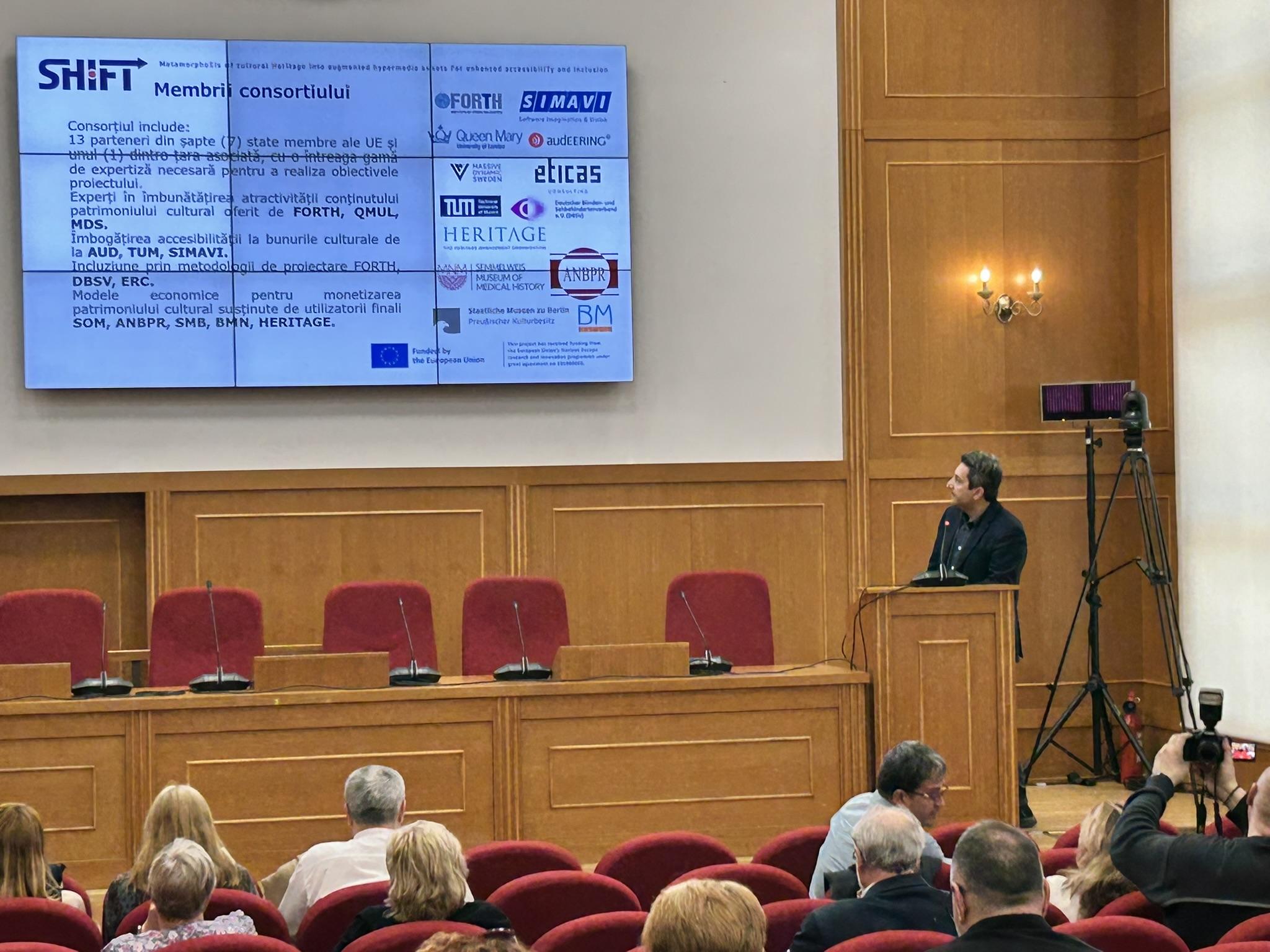
The pre-pilot consisted of partner presentations, interactive technology demonstrations, and a structured feedback session with a questionnaire. The events touched upon the necessity of technology and contemporary translation to make cultural heritage available in an accessible way, and open dialogue led to new ideas and practical observations.
Feedback and key findings
Participant feedback strongly indicated high satisfaction and high interest in SHIFT solutions that are insightful, creative, and impactful in the short and long term. The pre-pilot was successful due to being able to provide a high level of success in test and validate technologies to contribute to heritage as technology tools in professional sector and transatlantic environments, and for heritage access, that have the aim of working as a technology for heritage accessibility and also on a worldwide level.
Such measures confirm that educational effectiveness and the engaging nature of the solutions are demonstrated: 100% overall satisfaction (62.5% satisfied, 37.5% slightly satisfied); strong learning impact (75% significant, 25% moderate); improved or much improved user experience (100%).
These findings illustrate that SHIFT technologies are the enablers of access as well as the drivers of audiences’ engagement. Additional involvement of SMEs confirms and expands the integration of these technologies in libraries, and training programs and larger trends towards digital transformation.
I. SHIFT Pilot Romania – Romanian History and Customs Explained to Digital Natives
Technological Demonstrations & Interactive Sessions BiblioNEXT 2025 National Conference Sibiu, April 28-29, 2025
SHIFT Pilot Romania – Romanian History and Customs Explained to Digital Natives during training in BiblioNEXT 2025, where SHIFT solutions were demonstrated in a more experimental setting and real-life testing was undertaken.
The event, conducted by ANBPR, brought together 48 learners from an array of local and global backgrounds (librarians, researchers, technology providers and international experts) to discuss why AI-based tools can bring on cultural heritage access and nurture libraries as innovation hubs.
The pilot featured live demonstrations of SHIFT applications such as image-to-video, text-to-speech, digital translation, and audio story, as well as additional smart technologies (interactive displays, virtual assistants, technology for digitization and media creation) that widened the practical experience of GLAM.
Participants actively participated with the solutions to test and confirm the relevance of these solutions and their potential to reimagine the way cultural heritage can be accessed and experienced. The pilot assessed their depth in terms of SHIFT technologies and their readiness to be rolled out in library and museum locations.
Participants and profile
The event attended 48 individuals: library managers, librarians, academics, media experts, and SME representatives. This broad spectrum of audiences helped provide more complete evaluation of SHIFT solutions by combining knowledge which came both from a technical background and the technical perspective. Both tech experts and new people from digital access tools felt we would get a balance and evidence-based guidance for the SHIFT so they can act.
Implementation of activities
The pilot made use of a series of presentations and live technological demonstrations followed by a feedback conference. In the process we highlighted the advantages of using artificial intelligence for accessibility and creativity and how it also supports cultural institutions and technology to make cultural experiences in the education space.
Feedback and key findings
Participants have provided excellent feedback in terms of satisfaction, good usability and preference for SHIFT integration in cultural institutions as well as a willingness to embrace SHIFT solutions in cultural institutions. With it, the pilot proved the effectiveness of these tools to create awareness and access to culture.
Key results include:
Over 80% satisfaction with the event; more than 90% of participants believed that they had a good impression of Romanian heritage; 100% felt that they learned about Romanian heritage; over 90% considered the tools easy to use; 100% would recommend the experience.
Research findings on SHIFT technologies demonstrate their roles as both facilitating access and audience activation. The pilots also showed evidence of a potential for scalability in conjunction with technology providers, training institutions, and cultural institutions and these partnerships have been recognized as critical to building SHIFT platforms for digital ecosystems and into the delivery of library services in the future.
II. SHIFT Pilot Romania – Romanian History and Customs Explained to Digital Natives
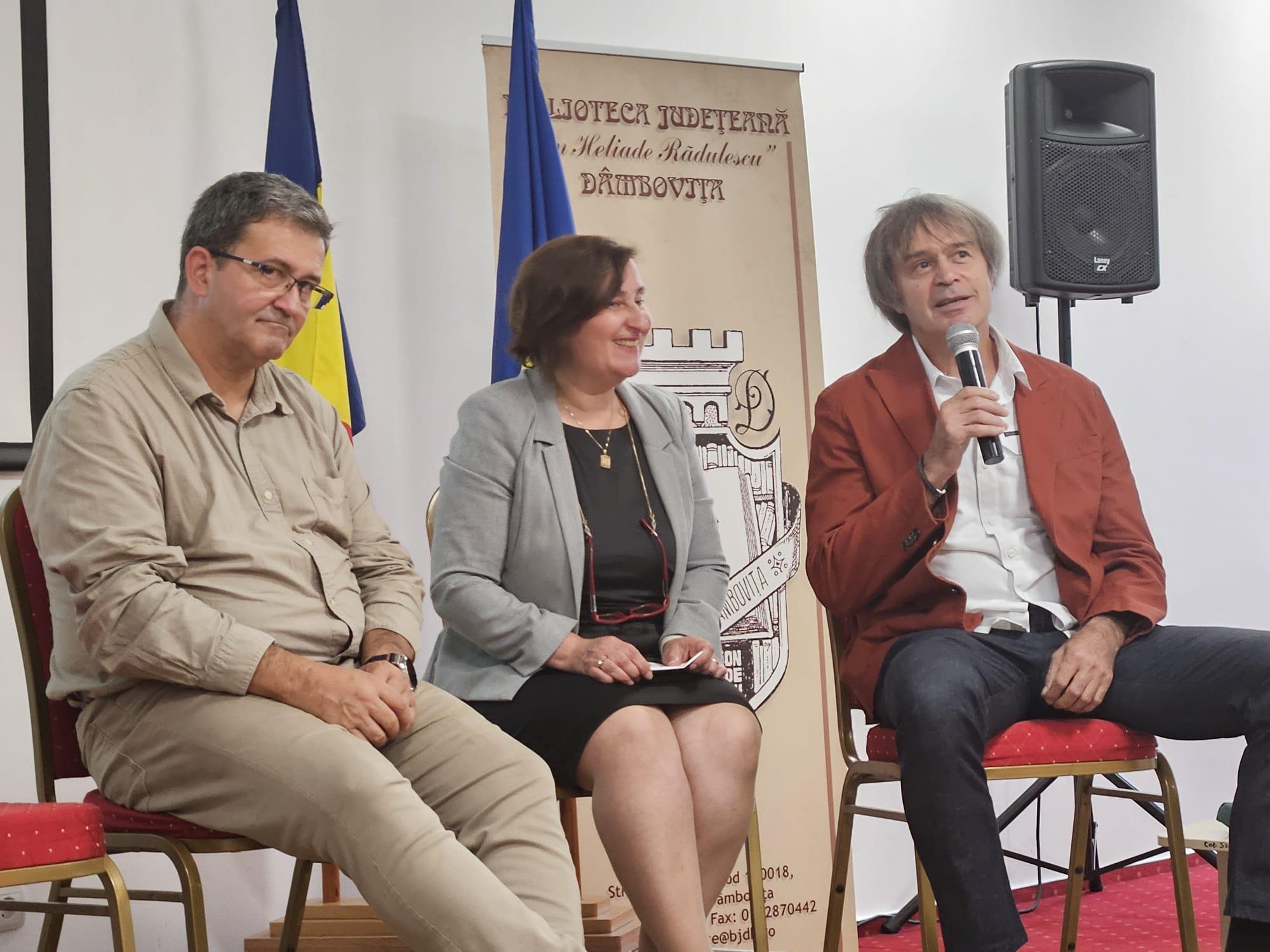
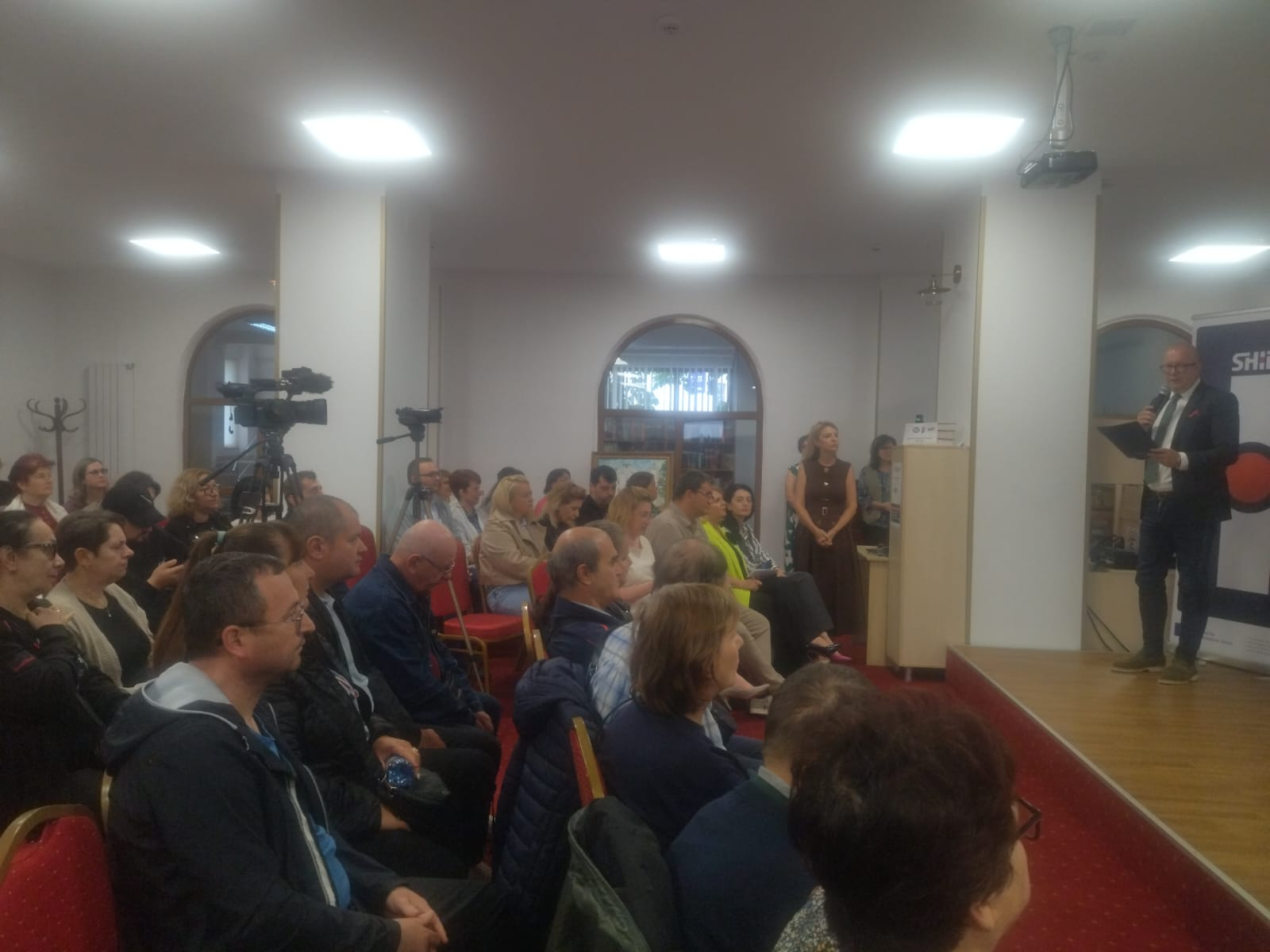
Communication, Dissemination & Exploitation Event. “Ion Heliade Rădulescu” Dâmbovița County Library, Târgoviște, September 17, 2025
The SHIFT Pilot Romania – Romanian History and Customs Explained to Digital Natives conference, organized in Târgoviște was about communication and diffusion and commercialization of SHIFT results and the potential through digital technologies to make cultural heritage accessible and inclusive for all by building an inclusive culture; and so on.
The event, co-organized by ANBPR and with Dâmbovița County Library, had 43 participants (librarians, researchers, local authorities, SMEs, technology providers, and vulnerable communities among other groups) gathering at this moment to understand the potential for SHIFT to enhance cultural accessibility and new market drivers to make libraries digital innovation hubs for innovation.
The pilot featured talks and demonstrations on SHIFT approaches such as audio description, up-to-date translation, image processing and digital storytelling, alongside state-of-the-art technologies such as haptic applications and the seamless integration of these into European culture. A roundtable discussion was introduced to how such solutions might play out in our present and future world and how they may be offered to others.
Participants attended actively in discussions and testing activities and highlighted the merits of SHIFT solutions in accessibility and improved user experience, particularly for those with visual and hearing impairments. SHIFT solutions need to be embedded within cultural services and the ability to scale has been shown through the pilot that is clear and practical.
Participants and profile
The event drew 43 participants representing the entire ecosystem: local authorities, academia, SMEs, librarians, technology providers, and 13 individuals that had visual and hearing impairments. This diversity enabled the validity of SHIFTs from a wider perspective, covering all technical, social, cultural, and economic elements and provided for a good level of feedback from the user community.
Implementation of activities
The pilot consisted of high levels of keynote presentations, live demonstrations, video evidence and informal feedback, followed with a roundtable session on exploitation and monetization. The activities were also dedicated to the use of AI and multisensory technologies to make cultural experiences more accessible for all individuals to access, and to facilitate a dialogue between cultural institutions and technology providers in the developing world and their local colleagues.
Feedback and key findings
Participants expressed very high satisfaction and strong interest at pursuing the implementation of SHIFT solutions. And as we realized from the event, there was a clear and effective impact of technology on access to and participation in cultural heritage.
Key results include100% overall satisfaction from the respondents; over 80% felt they understood the learning process on a high, 100% more enjoyment of the exhibition; over 80% enjoyed that the tools were easy to use; over 80% felt willing to recommend them.
Researchers made clear that SHIFT technologies serve as both an accessibility and inclusion vehicle. Furthermore, the pilot demonstrated strong relevance for scale, with collaboration with public authorities, SMEs, Academia and cultural institutions for sustainable development of SHIFT technology solutions into digital cultural realms.
Grant Agreement Number: 101060660
Project Full Title: MetamorphoSis of cultural Heritage Into augmented hypermedia assets For enhanced accessibiliTy and inclusion
Project Acronym: SHIFT
Topic: HORIZON-CL2-2021-HERITAGE-01
Type of action: HORIZON-RIA
Granting authority: European Research Executive Agency (REA)
Start date of the project: 1 October 2022
Duration: 36 months
EU Contribution: 3 527 250.00 Euro

“Funded by the European Union. Views and opinions expressed are however those of the author(s) only and do not necessarily reflect those of the European Union or the European Research Executive Agency (REA). Neither the European Union nor the granting authority can be held responsible for them.”